1
Lower wall staining
Moisture marks may appear near skirting boards or at ground-floor level, often returning after repainting.

HUMIX helps UK homeowners identify and treat rising damp and lower wall moisture with specialist damp surveys and non-invasive treatment systems.
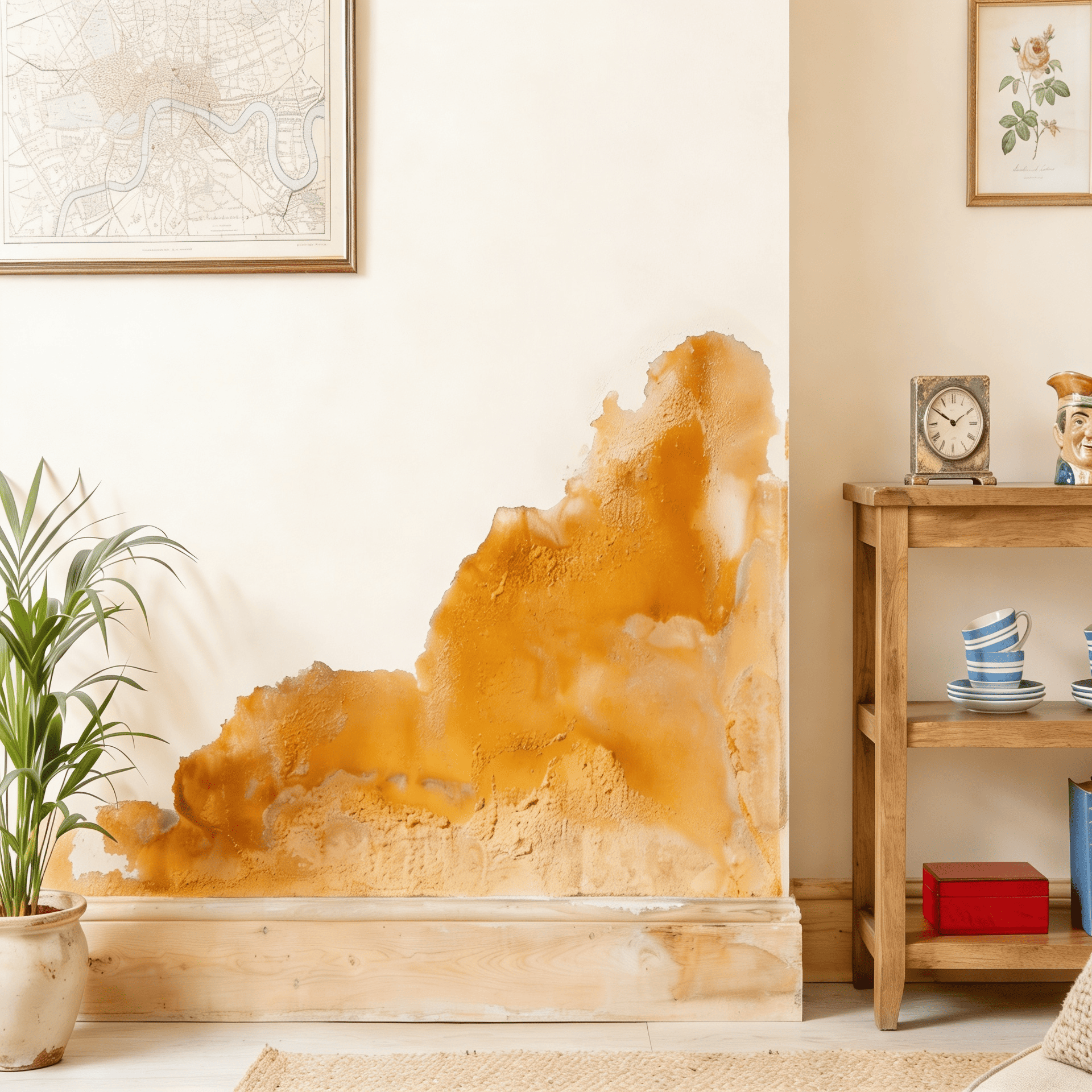
Rising damp happens when moisture from the ground moves upwards through porous wall materials such as brick, stone and mortar. This movement is known as capillary action and can lead to damp patches, salt deposits and damage to plaster over time.
Because lower wall moisture can have several causes, HUMIX starts with a specialist damp survey before recommending a treatment system.
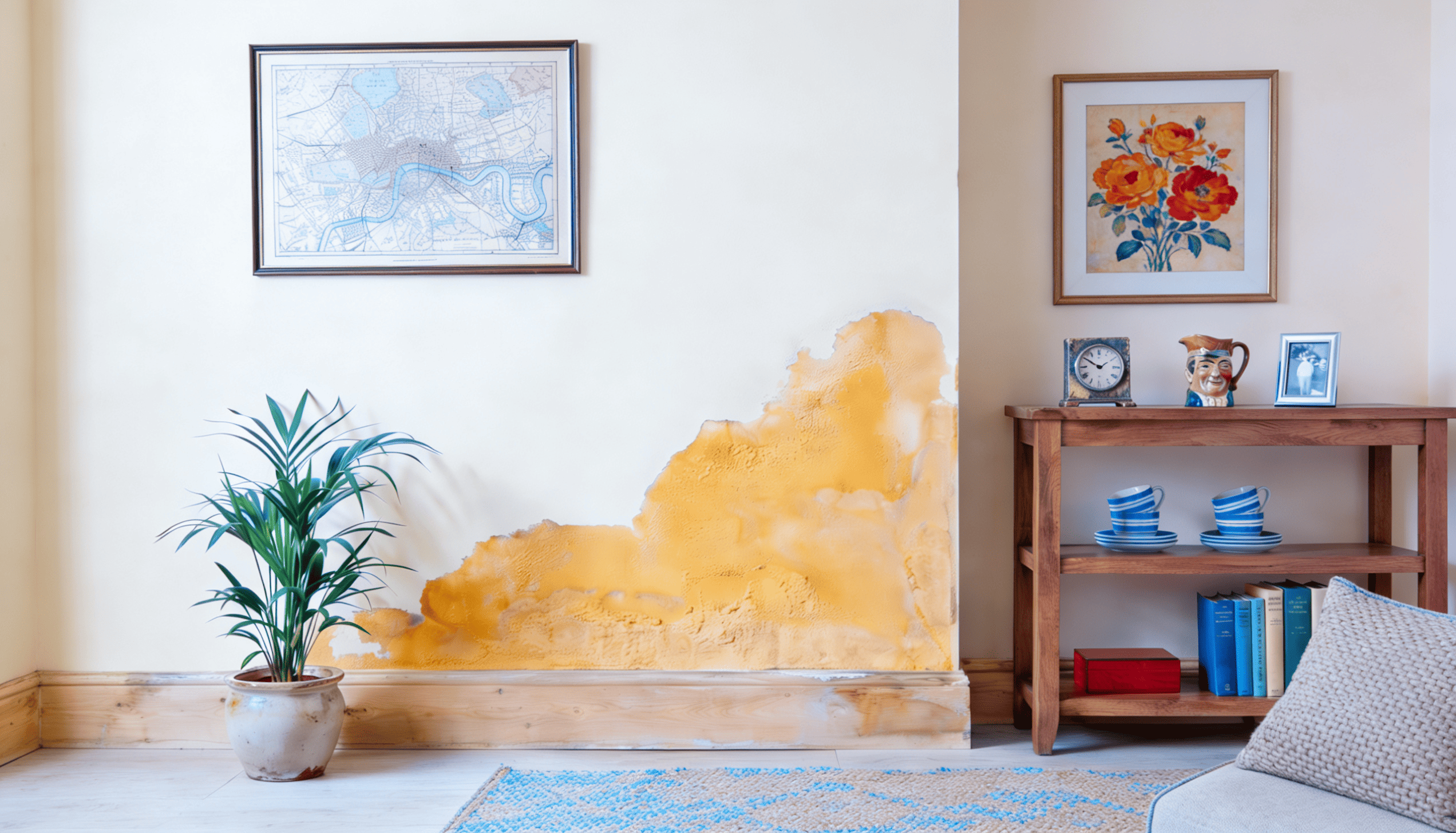
Rising damp usually affects the lower parts of walls and can damage plaster, paint finishes and skirting boards over time.
Moisture marks may appear near skirting boards or at ground-floor level, often returning after repainting.
Salts can be left behind as moisture moves through the wall, causing flaking paint or crumbling finishes.
A musty smell can indicate ongoing moisture, especially in older properties or poorly ventilated rooms.
Rising damp and other moisture problems can look similar. HUMIX starts with a specialist damp survey to understand the pattern of moisture before recommending a suitable system.
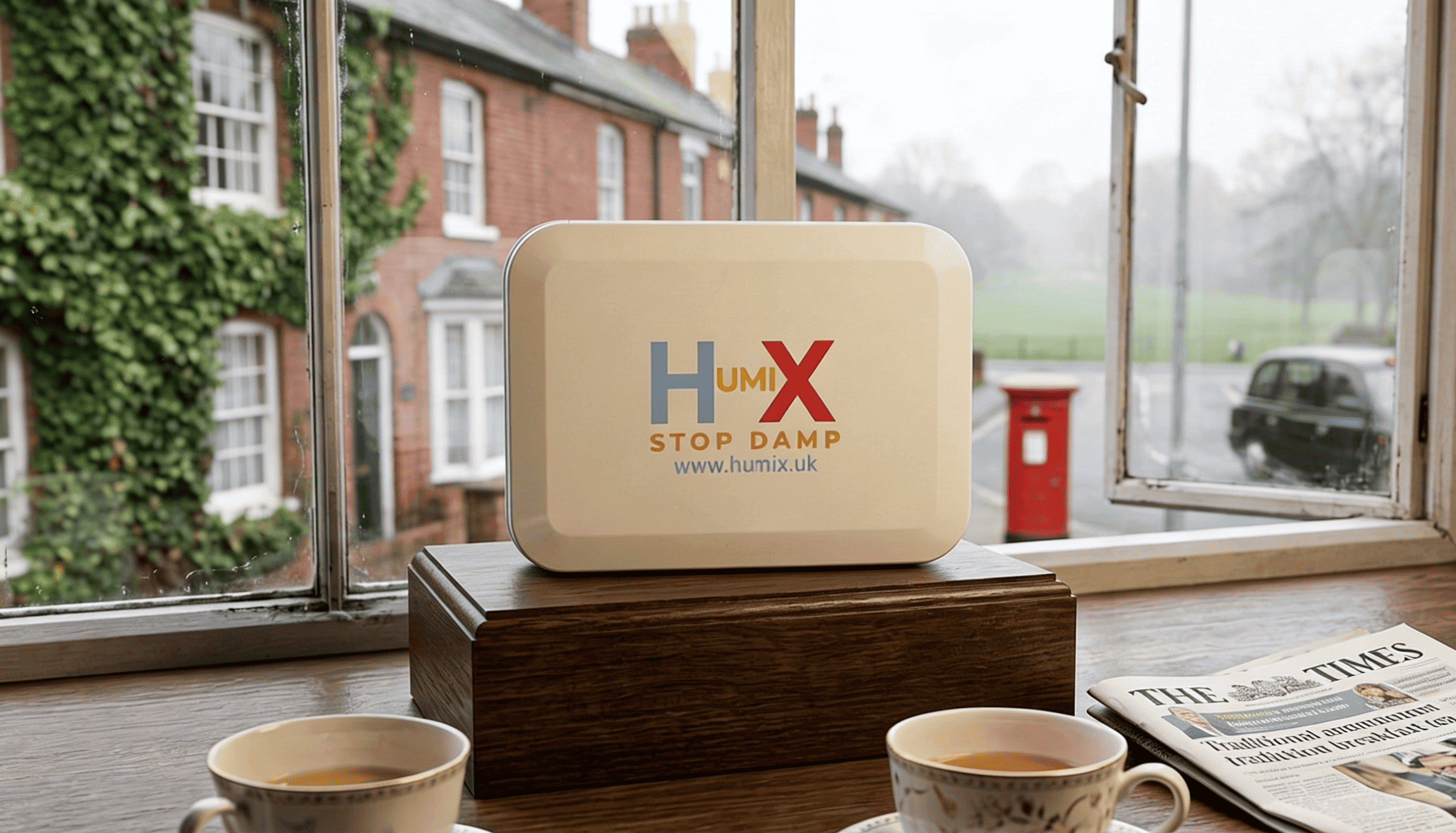
Watch a short explanation of how the HUMIX system is designed to help control rising damp without disruptive building work or unnecessary invasive treatment.
Share where the signs appear and whether the issue affects lower walls, paint, plaster or skirting boards.
A damp survey helps determine whether the problem is rising damp or another moisture-related issue.
If rising damp is confirmed, HUMIX can recommend a suitable non-invasive treatment system.
Request a free damp survey and get clear guidance before choosing any treatment system.
Choose which categories of cookies you allow. Strictly necessary cookies are always active because the site cannot function properly without them.