
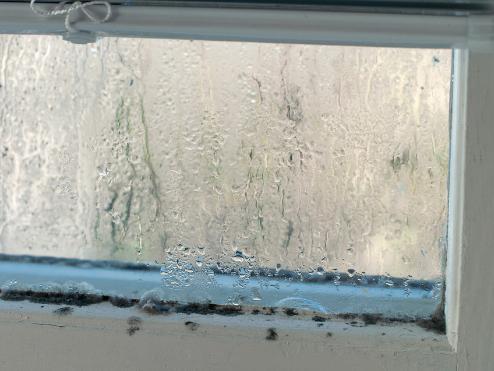
Mould on walls is one of the most common moisture problems in UK homes. It often starts with small dark patches, condensation on windows, or a persistent musty smell, but if ignored, mould can spread quickly and affect both your property and indoor air quality.
Understanding what causes mould in walls in the UK is the first step toward preventing it and creating a healthier living environment. In this guide, we’ll explain the main causes of mould growth, how to identify the warning signs, and the most effective ways to stop mould from returning.
Why Mould Is So Common in UK Homes
The UK climate creates ideal conditions for mould growth.
Frequent rainfall, high humidity levels, and colder temperatures often lead to excess moisture building up inside homes. When this moisture combines with poor ventilation or cold surfaces, mould can begin to develop on walls, ceilings, and around windows.
Older properties are particularly vulnerable due to:
- poor insulation
- outdated ventilation systems
- single-glazed windows
- rising damp problems
Condensation: The Main Cause of Mould in Walls
Condensation is one of the leading causes of mould in UK homes.
It occurs when warm, humid indoor air comes into contact with colder surfaces such as walls, windows, or ceilings. Water droplets then form on these surfaces, creating damp conditions where mould spores can grow.
Common Sources of Indoor Humidity
- cooking
- showering
- drying clothes indoors
- poor airflow
- inadequate heating
Bathrooms, kitchens, and bedrooms are often the most affected areas.
Poor Ventilation and Mould Growth
Poor ventilation allows moisture to remain trapped inside the property.
Without proper airflow, humid air cannot escape, increasing condensation and encouraging mould growth.
Signs of Poor Ventilation
- condensation on windows
- mould in corners or behind furniture
- musty smells
- damp air inside rooms
Improving airflow is one of the most effective ways to reduce indoor humidity and prevent mould.
Thermal Bridges and Cold Walls
Thermal bridges are weak points in a building’s insulation where heat escapes more easily.
These colder surfaces attract condensation, making them common areas for mould growth.
Common Areas Affected by Thermal Bridges
- room corners
- around windows
- external walls
- ceiling edges
Improving insulation and reducing cold spots can help prevent recurring mould problems.
Structural Problems That Cause Mould
Mould is not always caused by condensation alone. Structural moisture problems can also contribute to damp walls and mould growth.
Leaking Roofs and Gutters
Damaged roofs, blocked gutters, and leaking pipes can allow water to enter walls and ceilings.
Cracks in External Walls
Water penetration through cracks or damaged masonry can create hidden damp areas inside the property.
Rising Damp
Rising damp occurs when moisture travels upward through walls from the ground due to capillary action.
Typical signs include:
- damp lower walls
- peeling paint
- salt deposits
- mould growth near floor level
How Heating Affects Mould Problems
Uneven or insufficient heating can increase condensation inside the home.
Cold rooms and poorly heated surfaces attract moisture more easily, creating conditions where mould can develop.
Maintaining a stable indoor temperature helps reduce condensation and moisture build-up.
How to Detect Mould Problems Early
Early detection helps prevent larger moisture and mould issues later.
Common Warning Signs
- black or green spots on walls
- condensation on windows
- musty odours
- peeling paint or wallpaper
- damp patches
- cold or humid rooms
Mould often appears first in areas with limited airflow or colder surfaces.
Professional Mould and Damp Diagnosis
Professional damp surveys can help identify the true source of moisture problems.
Specialists may use:
- moisture meters
- thermal imaging cameras
- hygrometers
- ventilation assessments
Correct diagnosis is important because different moisture problems require different treatment solutions.
Effective Ways to Prevent Mould in Walls
The most effective mould prevention strategies focus on controlling moisture and improving airflow.
Improve Ventilation
Good ventilation helps remove humid air before condensation forms.
Useful solutions include:
- extractor fans
- decentralised ventilation systems
- opening windows regularly
- improving airflow between rooms
Reduce Indoor Humidity
Dehumidifiers can help lower moisture levels inside the home, especially during colder months.
Improve Insulation
Better insulation helps reduce cold surfaces where condensation forms.
Double glazing and insulated walls can significantly reduce mould risk.
Repair Structural Damage
Fix roof leaks, damaged gutters, cracked walls, and plumbing issues quickly to prevent moisture penetration.
Treat Rising Damp Properly
Properties affected by rising damp may require professional damp-control solutions such as:
- damp-proof courses (DPC)
- electro-physical systems
- waterproof membranes
HUMIX Solutions for Damp and Mould Problems
At HUMIX, we specialise in non-invasive damp-control solutions designed to help reduce moisture problems linked to rising damp and indoor humidity.
Our systems work by helping interrupt moisture movement inside walls, reducing the conditions that encourage mould growth and dampness.
Combined with proper ventilation and maintenance, these solutions help create a healthier and drier indoor environment.
Final Thoughts on What Causes Mould in Walls in the UK
Mould growth in UK homes is usually linked to a combination of condensation, poor ventilation, cold surfaces, and hidden moisture problems.
Understanding the root causes of mould is essential for choosing the right long-term solution and preventing the problem from returning.
By improving airflow, controlling humidity, repairing structural issues, and addressing damp problems early, homeowners can protect both their property and indoor air quality for years to come.
Contact HUMIX today for professional advice and effective moisture-control solutions for your home.