
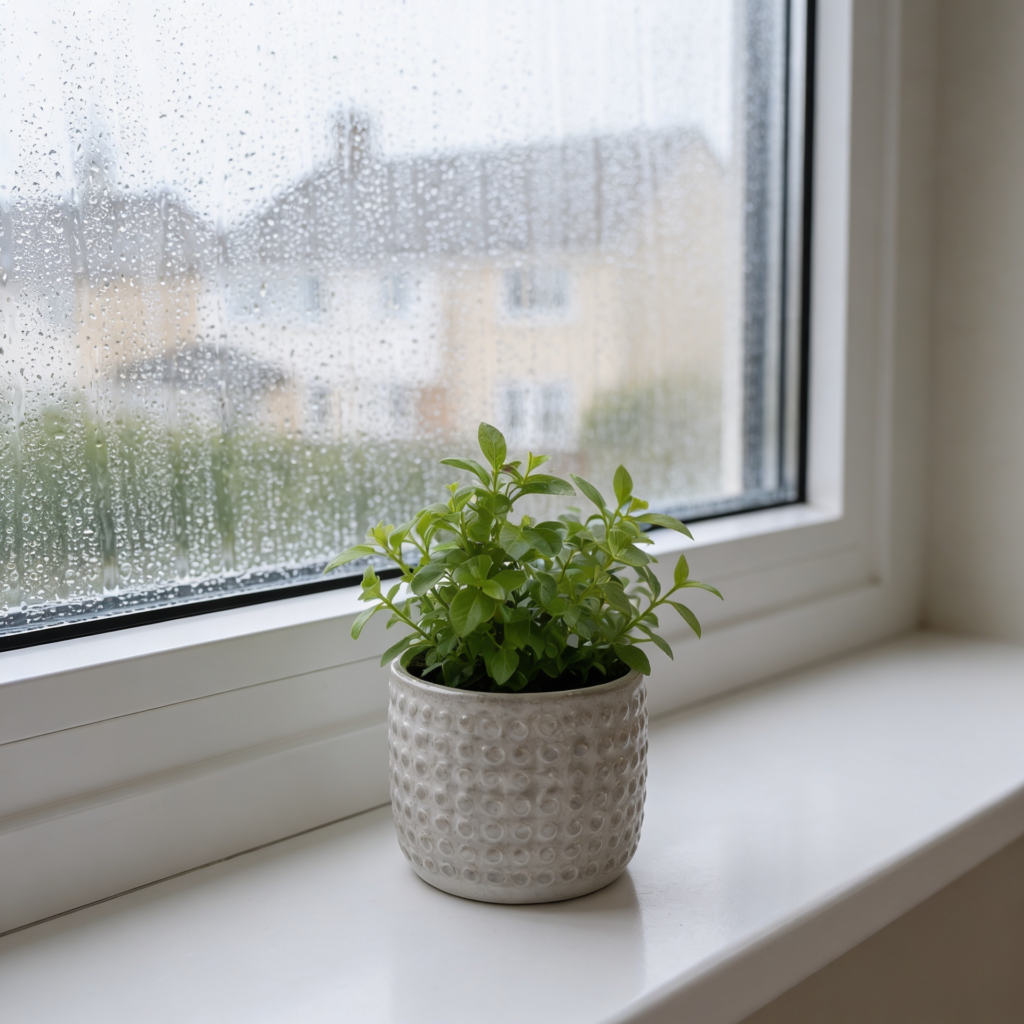
Ever wondered why condensation appears on your windows every morning, especially during winter? In many UK homes, condensation is a common issue caused by the combination of cold outdoor temperatures, indoor humidity, and poor ventilation.
Condensation forms when warm, moisture-filled air comes into contact with cold surfaces such as windows, walls, or ceilings. As the air cools, water droplets appear on these surfaces. While this may seem harmless at first, persistent condensation can eventually lead to mould growth, damp patches, peeling paint, and damage to walls and furnishings.
Understanding how to combat condensation is essential for maintaining a healthier, drier, and more comfortable home environment.
What Causes Condensation in UK Homes?
Several everyday activities increase humidity levels inside the home and contribute to condensation problems.
Common Moisture Sources
- cooking and boiling water
- hot showers and baths
- drying clothes indoors
- breathing and daily living activities
- poor ventilation
- inadequate insulation
When humid air cannot escape properly, moisture builds up and settles on colder surfaces around the property.
Why Condensation Should Not Be Ignored
Persistent condensation can create both property and health problems if left untreated.
Damp Patches and Surface Damage
Excess moisture can damage plaster, wallpaper, paint, and decorative finishes.
Mould Growth
Condensation creates ideal conditions for mould, especially around windows, ceilings, corners, and external walls.
Health Concerns
Mould spores and damp environments may contribute to respiratory problems, allergies, and poor indoor air quality.
Reduced Indoor Comfort
Condensation often makes rooms feel colder and more uncomfortable, increasing heating demand.
Quick Ways to Reduce Condensation
Several simple daily habits can help reduce moisture levels inside the home.
Improve Ventilation While Cooking and Showering
Open windows or use extractor fans to remove steam before it spreads throughout the property.
Use Lids on Pots and Pans
Cooking with lids reduces the amount of steam released into the air.
Dry Clothes Properly
Whenever possible:
- dry clothes outdoors
- use a vented tumble dryer
- avoid drying laundry directly on radiators
Open Windows Daily
Even short periods of ventilation help remove humid air and improve airflow indoors.
Insulation and Ventilation: Long-Term Condensation Solutions
Reducing condensation effectively often requires a combination of improved insulation and better ventilation.
Improve Home Insulation
Proper insulation helps keep wall and window surfaces warmer, reducing condensation formation.
Areas to Prioritise
- external walls
- lofts and roofs
- windows and doors
Double or triple glazing can significantly reduce window condensation by maintaining warmer internal glass temperatures.
Improve Ventilation Systems
Good airflow is essential for controlling indoor humidity.
Extractor Fans
Install extractor fans in:
- kitchens
- bathrooms
- utility rooms
Decentralised Ventilation Systems
Modern decentralised ventilation systems continuously remove stale humid air while introducing fresh air from outside.
These systems are particularly useful in homes with recurring condensation problems or limited natural airflow.
The Benefits of Decentralised Ventilation
Unlike standard extractor fans, decentralised ventilation systems provide continuous air circulation throughout the day.
Main Advantages
- improved indoor air quality
- reduced humidity levels
- lower risk of mould growth
- better energy efficiency
- constant fresh airflow without opening windows
These systems are increasingly popular in UK homes struggling with persistent condensation issues.
Dehumidifiers: A Fast Moisture-Control Solution
Dehumidifiers can help lower indoor humidity quickly by removing excess moisture from the air.
They are especially useful in:
- bathrooms
- bedrooms
- basements
- poorly ventilated rooms
Although dehumidifiers help manage moisture levels, they work best when combined with proper ventilation and insulation improvements.
Daily Habits That Help Prevent Condensation
Small changes in daily routines can make a significant difference.
Useful Condensation Prevention Habits
- ventilate rooms regularly
- keep a steady indoor temperature
- close bathroom and kitchen doors during use
- wipe condensation from windows and surfaces
- avoid overcrowding furniture against cold external walls
Ongoing Maintenance Matters
Preventing condensation is not just about installation improvements — regular maintenance is equally important.
Check Regularly
- extractor fans are working correctly
- window seals remain intact
- ventilation systems stay clean
- insulation remains effective
Routine inspections help prevent condensation problems from returning.
Final Thoughts on How to Combat Condensation
Condensation is one of the most common moisture problems in UK homes, but it can usually be controlled effectively with the right combination of ventilation, insulation, heating, and humidity management.
By reducing excess moisture and improving airflow, homeowners can prevent mould growth, protect their property from damp-related damage, and create a healthier indoor environment.
Taking action early is the best way to stop condensation from becoming a long-term problem in your home.