
Have you noticed dark patches appearing on your walls, ceilings, or around windows? Mould inside the home is more than just an aesthetic problem — it can affect indoor air quality, damage surfaces, and create unhealthy living conditions if left untreated.
Learning how to prevent mould in the house starts with understanding the relationship between moisture, condensation, ventilation, and indoor humidity. In this guide, we’ll explore practical solutions to help keep your home dry, comfortable, and mould-free.
Why Does Mould Grow Inside Homes?
Mould develops in damp environments where excess moisture and poor airflow allow spores to settle and spread.
Everyday activities such as:
- cooking
- showering
- drying clothes indoors
- breathing
all release moisture into the air. When warm humid air meets colder surfaces like windows or walls, condensation forms, creating ideal conditions for mould growth.
Poor ventilation and inadequate heating often make the problem worse.
Common Causes of Mould in the House
Understanding what causes mould is the first step toward preventing it effectively.
Condensation
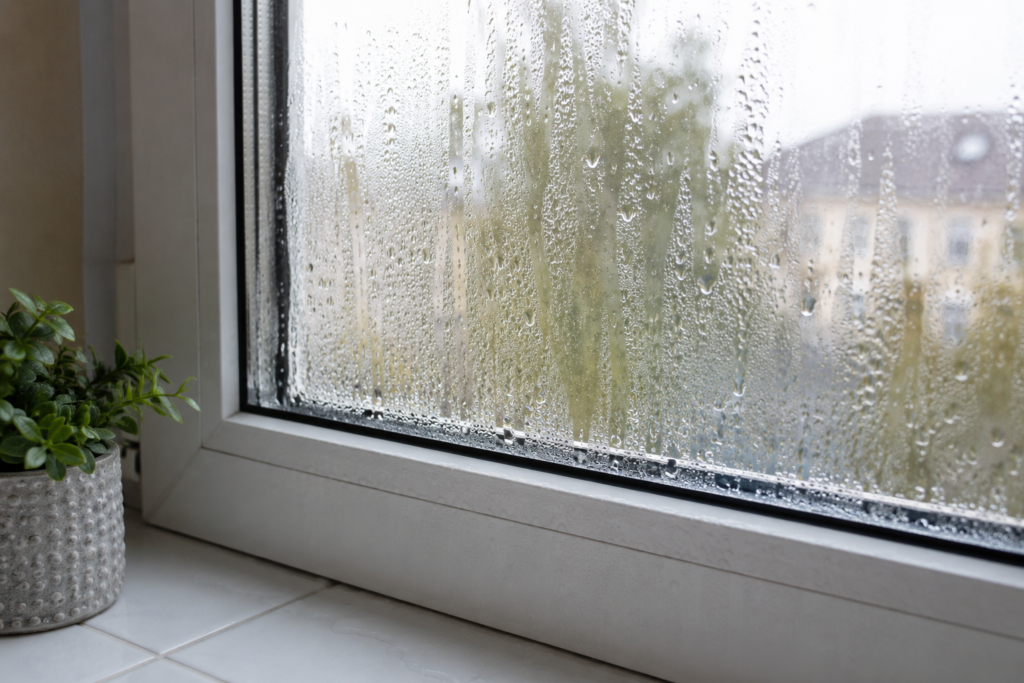
Condensation is one of the most common causes of mould in homes, especially during colder months.
Water droplets form when warm indoor air touches cold surfaces such as:
- windows
- external walls
- mirrors
- tiled surfaces
Over time, constant moisture encourages mould growth.
Poor Ventilation
Without proper airflow, moisture becomes trapped indoors.
Bathrooms, kitchens, wardrobes, and corners behind furniture are particularly vulnerable when ventilation is limited.
Excess Indoor Humidity
High humidity levels inside the home allow moisture to accumulate faster than it can evaporate.
Drying clothes indoors and using non-vented heaters can significantly increase indoor humidity.
Leaks and Dampness
Roof leaks, plumbing problems, rising damp, or penetrating damp can all introduce hidden moisture into walls and ceilings.
Persistent mould may sometimes indicate a larger damp problem within the property.
Improve Ventilation to Reduce Mould
Proper ventilation is one of the most effective ways to prevent mould in the house.
Open Windows Regularly
Allowing fresh air to circulate helps remove humid indoor air and reduce condensation.
Opening windows for short periods each day can significantly improve airflow.
Use Extractor Fans
Bathrooms and kitchens produce large amounts of steam and humidity.
Extractor fans help remove moist air before condensation develops on walls and ceilings.
For best results:
- use fans during cooking or showering
- leave them running for several minutes afterward
Ventilate Wardrobes and Furniture Areas
Mould often develops behind furniture placed too close to external walls.
Leaving small gaps between furniture and walls improves air circulation and reduces trapped moisture.
Control Condensation Before It Leads to Mould
Reducing condensation is essential for long-term mould prevention.
Wipe Down Wet Surfaces
Condensation on windows, tiles, and mirrors should be removed regularly to stop moisture from building up.
Use a Dehumidifier
Dehumidifiers help reduce excess humidity inside the home, especially in:
- basements
- bedrooms
- poorly ventilated rooms
- laundry areas
Maintaining indoor humidity between 30% and 50% helps prevent mould growth.
Improve Insulation
Cold surfaces attract condensation.
Better insulation and double-glazed windows help maintain warmer wall and window temperatures, reducing moisture build-up.
Heating Strategies to Prevent Mould
Heating plays a major role in controlling condensation and indoor moisture.
Maintain a Consistent Temperature
Sudden temperature drops encourage condensation.
Keeping rooms at a stable temperature helps prevent cold surfaces where moisture can settle.
Avoid Moisture-Producing Heaters
Portable gas heaters release moisture into the air as they operate.
Electric heating systems are generally more effective for controlling humidity indoors.
Avoid Drying Clothes Indoors
Indoor laundry drying releases large amounts of moisture into the home.
To reduce humidity:
- dry clothes outdoors when possible
- use a vented tumble dryer
- place drying racks near open windows or dehumidifiers
Avoid placing wet clothes directly on radiators, as this increases condensation significantly.
How to Remove Mould Safely
If mould has already appeared, acting quickly helps stop it from spreading.
Use White Vinegar or Specialist Mould Cleaners
White vinegar can help clean small mould patches naturally.
For larger affected areas, specialist mould removal products may be required.
Wear Protective Equipment
When cleaning mould:
- wear gloves
- use a face mask
- ensure good ventilation
This helps avoid exposure to airborne mould spores.
Avoid Simply Painting Over Mould
Painting over mould without removing the moisture source will usually lead to recurring problems.
The underlying cause of moisture must always be addressed.
Detect and Repair Hidden Moisture Problems
Recurring mould may indicate hidden damp issues inside the property.
Regularly inspect:
- roofs
- plumbing
- windows
- gutters
- external walls
Repairing leaks quickly helps prevent long-term moisture accumulation and mould growth.
Long-Term Solutions to Prevent Mould
For persistent mould problems, long-term moisture control strategies may be necessary.
Install Ventilation Systems
Mechanical ventilation systems help remove humid air continuously and improve overall indoor airflow.
Improve Wall Insulation
Proper insulation reduces cold surfaces and minimises condensation risk.
Monitor Indoor Humidity
Humidity sensors and smart humidistats can help track moisture levels and identify problems early.
Final Thoughts on Preventing Mould in the House
Preventing mould in the house requires a combination of:
- proper ventilation
- condensation control
- balanced heating
- moisture management
- regular maintenance
By reducing humidity and addressing damp problems early, homeowners can create a healthier indoor environment while protecting walls, ceilings, furniture, and structural materials from long-term damage.
Small daily habits combined with effective moisture control solutions can make a major difference in keeping your home dry, fresh, and mould-free all year round.