
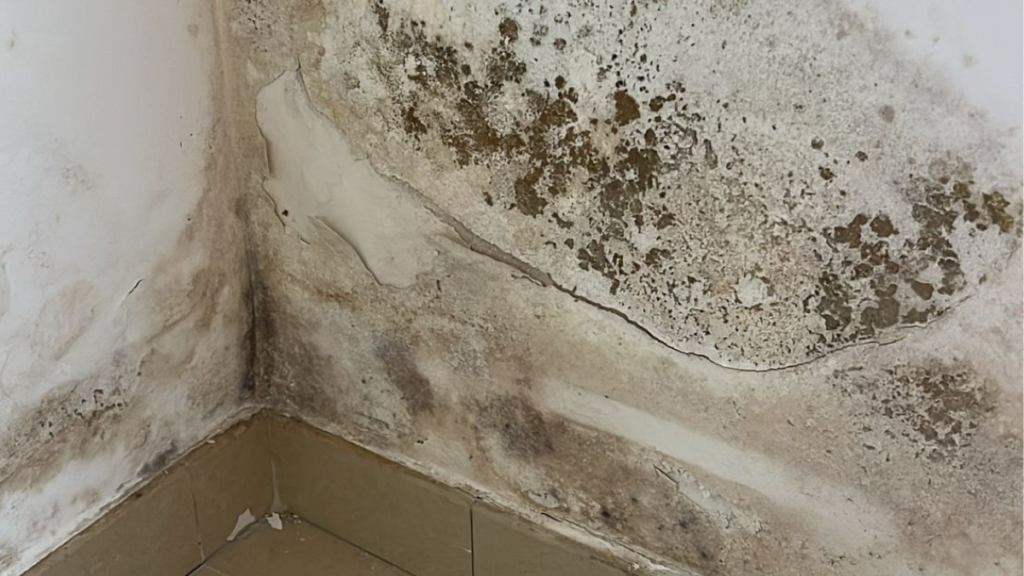
Mould inside the home is more than just an unpleasant sight or smell. Excess moisture and mould growth can negatively affect indoor air quality, damage building materials, and reduce overall comfort inside the property.
Understanding what causes mould, how it spreads, and how to prevent it can help protect both your home and your health.
What Causes Mould in the Home?
Mould develops in damp environments where excess moisture and poor ventilation allow spores to settle and grow. Bathrooms, kitchens, basements, and poorly ventilated rooms are particularly vulnerable.
Humidity and Condensation
Condensation forms when warm indoor air meets colder surfaces such as windows or walls. Persistent condensation creates ideal conditions for mould growth.
Poor Ventilation
Without proper airflow, humid air becomes trapped indoors, increasing moisture levels and encouraging mould development.
Leaks and Water Damage
Leaks from roofs, pipes, gutters, or windows can introduce hidden moisture into walls, ceilings, and floors, creating ideal conditions for mould to spread.
Identifying the source of moisture early is essential for preventing more serious mould problems later on.
How Mould Can Damage Your Home
Mould does not remain only on the surface. Over time, excess moisture can weaken materials and contribute to structural deterioration throughout the property.
Damage to Walls and Ceilings
Mould and dampness can cause paint to peel, plaster to deteriorate, and visible staining to appear on walls and ceilings.
Flooring Damage
Moisture trapped beneath carpets, laminate, or wooden flooring can lead to warping, swelling, and long-term damage to floor materials.
Damage to Wooden Structures
Persistent moisture can weaken timber structures, frames, and wooden fittings, particularly in older homes or poorly ventilated spaces.
If left untreated, mould-related moisture problems can gradually affect the overall condition and stability of a property.
How to Prevent Mould from Spreading
Preventing mould begins with controlling excess moisture and improving ventilation throughout the home.
Reduce Indoor Humidity
Keeping indoor humidity levels balanced can help reduce condensation and discourage mould growth. Dehumidifiers may help in moisture-prone rooms.
Improve Ventilation
Opening windows regularly and using extractor fans in kitchens and bathrooms can help remove humid air and improve indoor airflow.
Repair Leaks Quickly
Fixing leaks early can prevent moisture from spreading into walls, ceilings, and floors where mould may develop unnoticed.
Manage Condensation
Wiping condensation from windows and improving insulation can help reduce moisture build-up during colder months.
Keep Surfaces Dry and Clean
Regular cleaning and drying of moisture-prone areas can help limit mould growth on surfaces such as tiles, walls, and shower areas.
Safe Ways to Remove Mould
Small mould problems can sometimes be cleaned safely, but larger or recurring mould issues may require professional assessment.
Cleaning Small Areas of Mould
Small patches of mould can often be cleaned using appropriate mould-cleaning products while ensuring the area remains well ventilated.
Persistent or Large Mould Problems
If mould repeatedly returns or affects large areas, hidden moisture problems may be present and professional investigation may be necessary.
Addressing the moisture source is essential to prevent mould from returning after cleaning.
Long-Term Strategies to Keep Your Home Mould-Free
Maintaining a mould-free home requires ongoing moisture control, regular maintenance, and good indoor ventilation habits.
Inspect Damp-Prone Areas Regularly
Checking basements, windows, ceilings, and external walls regularly can help identify moisture problems before mould spreads.
Maintain Good Ventilation Habits
Consistent airflow throughout the property can help reduce humidity and minimise condensation-related mould growth.
Control Indoor Moisture Sources
Reducing indoor drying, improving airflow after showering, and managing humidity levels can all help prevent excess moisture accumulation.
How Mould Can Affect Property Value
Visible mould and persistent damp problems may reduce buyer confidence and negatively affect property value if left unresolved.
Keeping moisture issues under control can help maintain both the condition and long-term value of your home.
Final Thoughts on Mould in the Home
Mould problems are usually linked to excess moisture, condensation, poor ventilation, or hidden leaks. Identifying these issues early and improving indoor moisture control can help protect your home from long-term damage.
By maintaining balanced humidity levels, improving airflow, and addressing damp problems quickly, you can create a healthier and more comfortable living environment.