
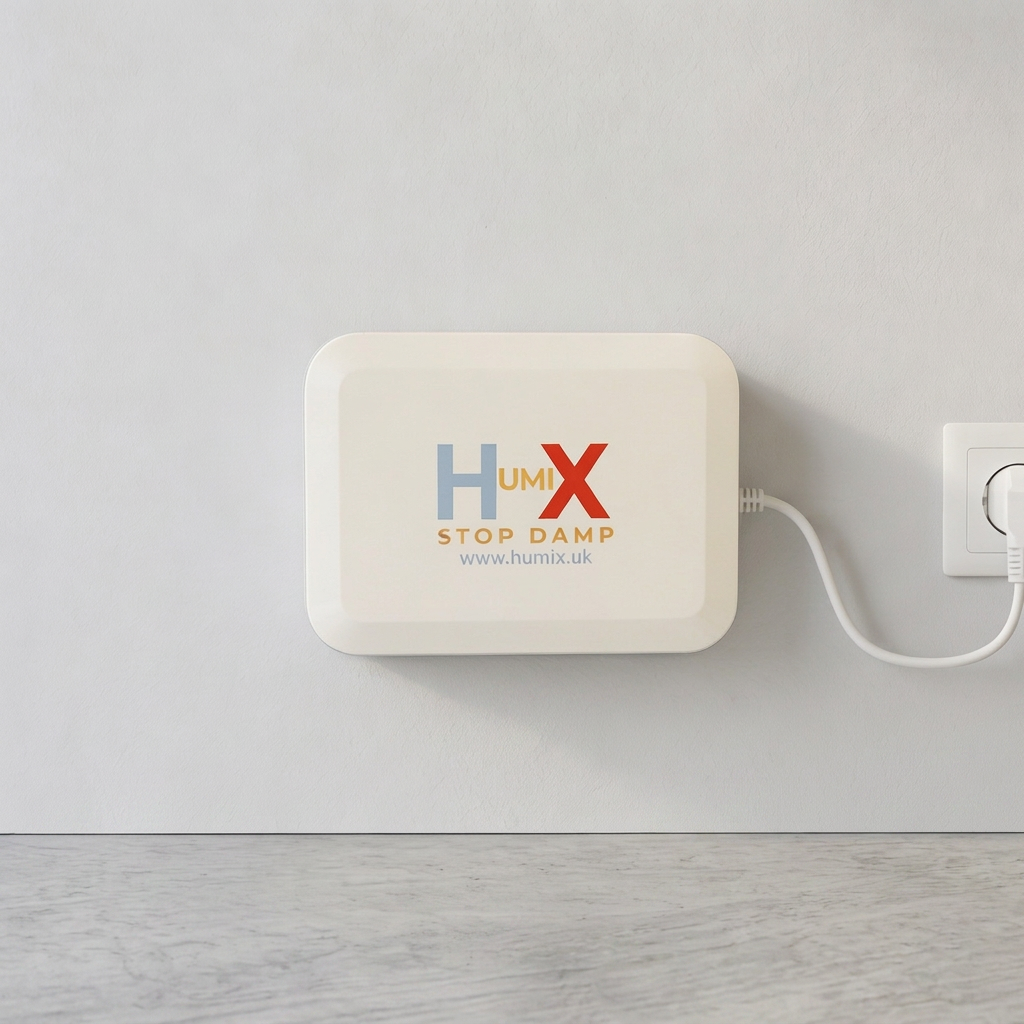
Rising damp can damage your walls over time and lead to serious moisture problems in your home.
If you’re dealing with it — or want to prevent it — here’s what you need to know.
What causes rising damp?
Common causes include:
- Damaged or missing damp-proof course
- Poor drainage around the property
- High ground levels outside your walls
How to spot rising damp
Rising damp usually appears at the lower part of your walls.
It’s caused by moisture from the ground moving upwards through the structure.
Common signs include:
- Peeling or bubbling paint and wallpaper near the base of walls.
-
A visible tide mark up to around 1 metre high
-
White powdery salts left behind as moisture evaporates.
- Musty odours and a cold, damp feel in rooms.
Identifying these early is the first step in preventing long-term damage.
If you notice these signs, it may be worth getting a professional damp survey to identify the cause.
How to prevent rising damp (what really works)
1. Fix the root cause of the damp
Rising damp won’t go away unless the source of moisture is properly treated.
In many cases, this means repairing or installing a damp-proof solution inside your walls.
In some cases, rising damp requires a professional solution to fix the problem properly and stop it coming back.
Watch how rising damp affects your home:
2. Protect your walls from moisture
In some cases, treating the surface of your walls can help reduce moisture. This can work as a short-term solution, but it won’t fix rising damp on its own.
3. Improve your home’s structure (long-term solution)
Some properties are more prone to damp due to how they’re built. In these cases, structural improvements may be needed to prevent moisture from entering your walls.
4. Improve drainage around your home
Good drainage around your home helps stop water building up near your walls, which can make damp problems worse.
- Make sure gutters and downpipes are working properly
- Ensure water drains away from your propert
5. Improve ventilation in your home
Good airflow helps reduce moisture and prevent damp problems from developing.
- Avoid placing furniture directly against external walls
- Use a dehumidifier in areas with high humidity
Practical Maintenance Tips to Keep Damp at Bay
Simple ways to help prevent rising damp
- Check your walls regularly for signs of damp
- Seal cracks around windows and doors
- Fix leaks as soon as they appear
If rising damp keeps coming back, it may require a professional solution.
Book a free damp survey to get expert advice and a long-term fix — with no obligation.