
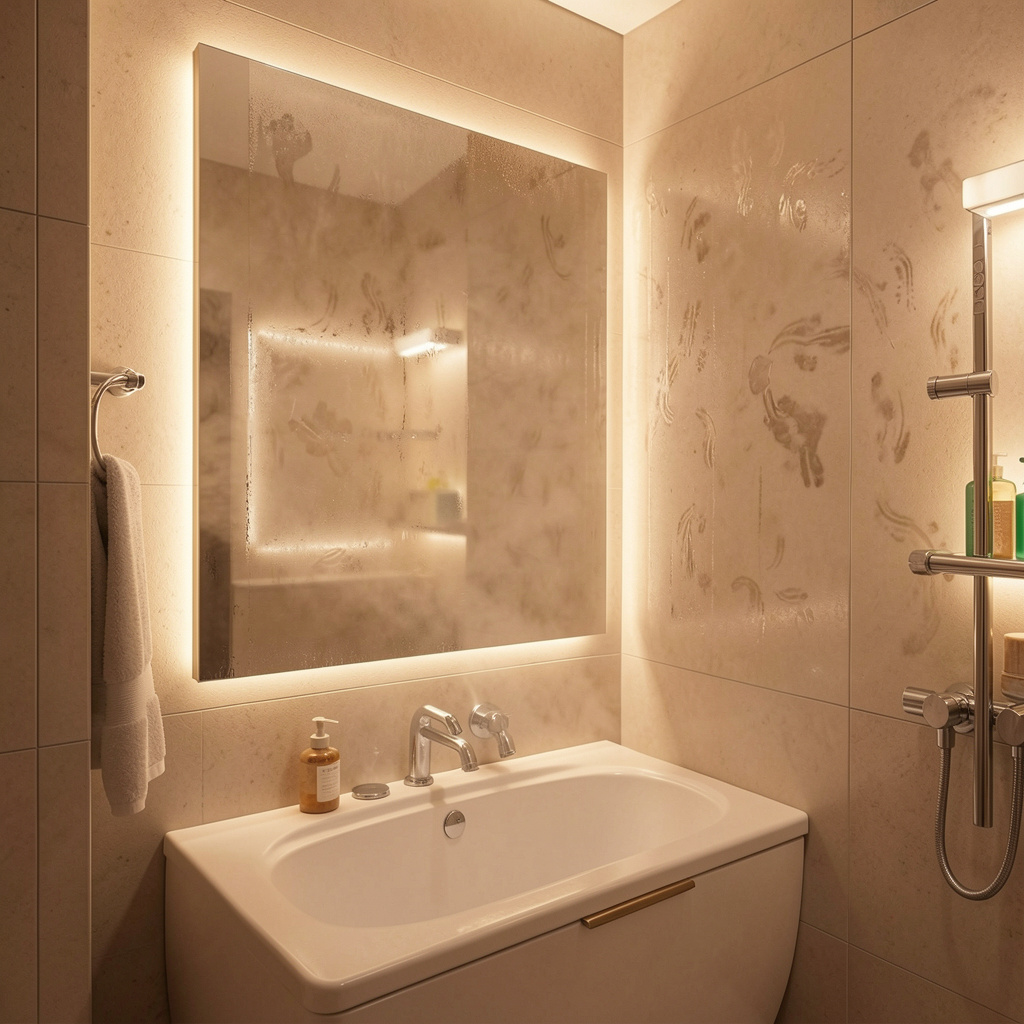
Have you noticed damp walls, condensation on your windows, or a persistent musty smell inside your home? Excess moisture is one of the most common household problems and, if left untreated, it can lead to mould growth, structural damage, and poor indoor air quality.
Understanding how to get rid of moisture in your house is essential for creating a healthier, more comfortable living environment. In this guide, we’ll explain the main causes of indoor moisture and the most effective ways to control humidity and prevent damp problems long term.
What Causes Excess Moisture Inside a Home?
Before solving the problem, it’s important to understand where the moisture is coming from.
Several everyday activities and structural issues can increase indoor humidity levels.
Poor Ventilation
One of the most common causes of excess moisture is inadequate airflow. Without proper ventilation, humid air becomes trapped inside the property, leading to condensation and dampness.
Daily Household Activities
Cooking, showering, drying clothes indoors, and even breathing release moisture into the air every day.
Without ventilation or humidity control, this moisture accumulates quickly.
Leaking Pipes or Roofs
Water leaks inside walls, ceilings, or floors can create hidden moisture problems that gradually worsen over time.
Cold Surfaces and Condensation
When warm humid air touches cold walls or windows, condensation forms. Over time, this can lead to mould growth and damp patches.
Why Excess Moisture Should Be Taken Seriously
High humidity levels don’t just make your home uncomfortable — they can also affect your health and property.
Mould Growth
Damp environments encourage mould growth, especially in poorly ventilated rooms such as bathrooms and kitchens.
Health Problems
Mould spores and excess humidity can contribute to:
- allergies
- asthma
- respiratory irritation
- poor indoor air quality
Damage to Walls and Furniture
Moisture can damage:
- plaster
- paint
- wooden furniture
- flooring
- fabrics
Effective Ways to Get Rid of Moisture in Your House
Reducing indoor moisture usually requires a combination of ventilation, humidity control, and preventative maintenance.
Use a Dehumidifier
Dehumidifiers are one of the fastest and most effective ways to lower indoor humidity levels.
They work by extracting excess moisture from the air and are especially useful in:
- basements
- bedrooms
- bathrooms
- laundry rooms
Improve Ventilation
Fresh airflow is essential for moisture control.
To improve ventilation:
- open windows regularly
- use extractor fans
- install ventilation systems
- improve airflow between rooms
Kitchens and bathrooms should always have proper extraction systems to remove humid air.
Avoid Drying Clothes Indoors
Drying laundry inside the home releases large amounts of moisture into the air.
Whenever possible:
- dry clothes outdoors
- use a vented tumble dryer
- ventilate the room properly
Fix Leaks Quickly
Even small plumbing or roof leaks can create long-term moisture problems.
Regularly inspect:
- pipes
- ceilings
- roofs
- gutters
- windows
Early repairs help prevent dampness from spreading.
Natural Moisture Control Methods
Some homeowners prefer natural ways to reduce humidity.
Moisture Absorbers
Materials such as:
- silica gel
- charcoal
- baking soda
can help absorb moisture in smaller enclosed spaces like wardrobes or cupboards.
Keep Rooms Warm
Cold rooms encourage condensation.
Maintaining a stable indoor temperature helps prevent moisture from settling on walls and windows.
Room-by-Room Moisture Prevention Tips
Different rooms require different moisture control strategies.
Bathroom
- use extractor fans during and after showers
- wipe down wet surfaces
- keep windows open when possible
Kitchen
- use cooker hoods while cooking
- cover pots to reduce steam
- ventilate after cooking
Bedroom
- allow airflow behind furniture
- avoid blocking external walls
- use dehumidifiers if necessary
Long-Term Solutions for Persistent Moisture Problems
If humidity problems continue despite ventilation and dehumidifiers, more advanced solutions may be necessary.
Improve Insulation
Better insulation helps reduce cold surfaces where condensation forms.
Install Ventilation Systems
Modern ventilation systems continuously remove humid air while introducing fresh air into the property.
Damp-Proofing Treatments
For homes affected by rising damp or penetrating damp, professional damp-proofing treatments may be required.
Why HUMIX Solutions Help Control Moisture Problems
At HUMIX, we understand the challenges of controlling humidity and dampness, especially in climates with high rainfall and humidity.
Our moisture control solutions are designed to:
- reduce indoor humidity
- improve ventilation
- prevent mould growth
- protect walls and structures
- improve indoor comfort
We focus on treating the root causes of moisture problems rather than simply masking the symptoms.
Final Thoughts on How to Get Rid of Moisture in Your House
Learning how to get rid of moisture in your house is essential for maintaining a healthier, safer, and more comfortable home.
By improving ventilation, controlling humidity levels, repairing leaks quickly, and using effective moisture control solutions, homeowners can significantly reduce dampness and prevent long-term damage.
The key is consistency — managing moisture daily helps protect both your property and your indoor air quality for years to come.
Contact HUMIX today to discover effective solutions for controlling moisture and keeping your home dry and healthy.